

Should You Take Creatine Before or After Your Workout?
Before or after your workout — does creatine timing actually matter? We break down what the research shows and why daily consistency matters more than the clock.
Before or after your workout — does creatine timing actually matter? We break down what the research shows and why daily consistency matters more than the clock.

A calorie deficit doesn’t cancel out creatine’s benefits. Learn why creatine stays useful during a cut, how it affects water weight and the scale, and how to dose it while cutting.

Taking creatine before bed doesn’t hurt your gains, but it’s not the golden window some people think it is either. Here’s how nighttime dosing actually affects absorption, sleep, and recovery.

A complete breakdown of the Starting Strength program — its workout split, core lifts, progression model, and how it compares to other beginner strength routines.

StrongLifts 5×5 is one of the most popular beginner strength programs online. Here’s exactly how it works, why it works for beginners, and where it eventually breaks down.
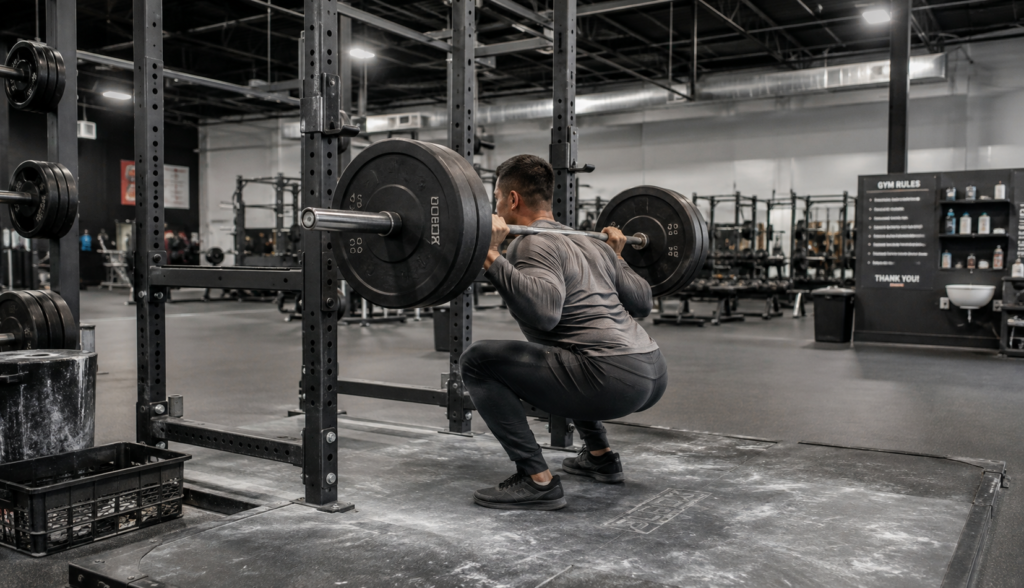
The 5×5 workout program is one of the oldest and most reliable templates in strength training. Five sets of five
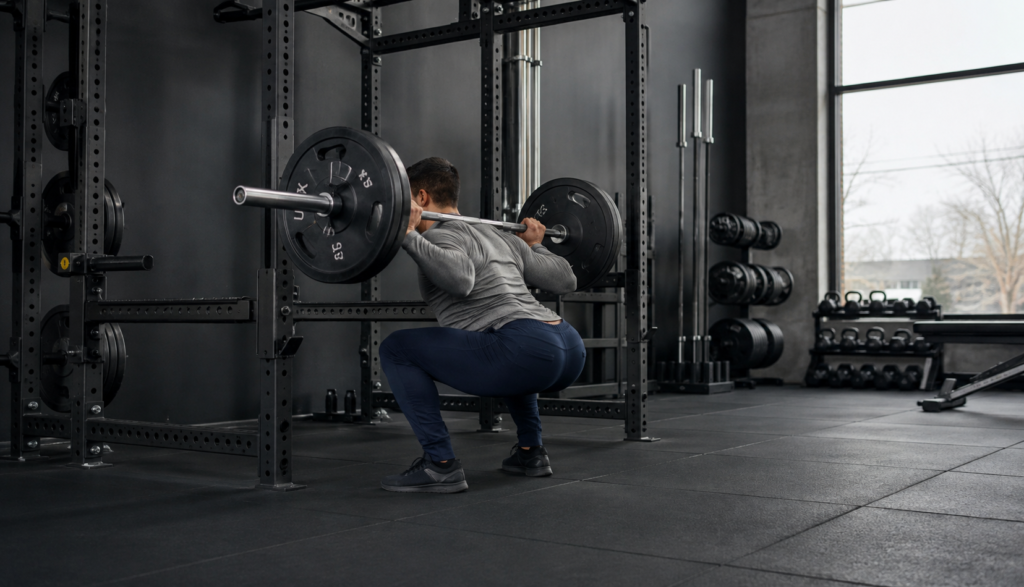
There’s no single “right” workout length. Your ideal session time depends on your goal, training split, and how you structure your rest periods. Here’s how to figure out yours.

VO2 max naturally declines with age, but the rate of decline is not fixed. Here’s what average, good, and elite VO2 max scores look like at every stage of life.

VO2 max measures how efficiently your body uses oxygen during exercise. Here’s how to estimate yours, what the number means, and how to improve it.
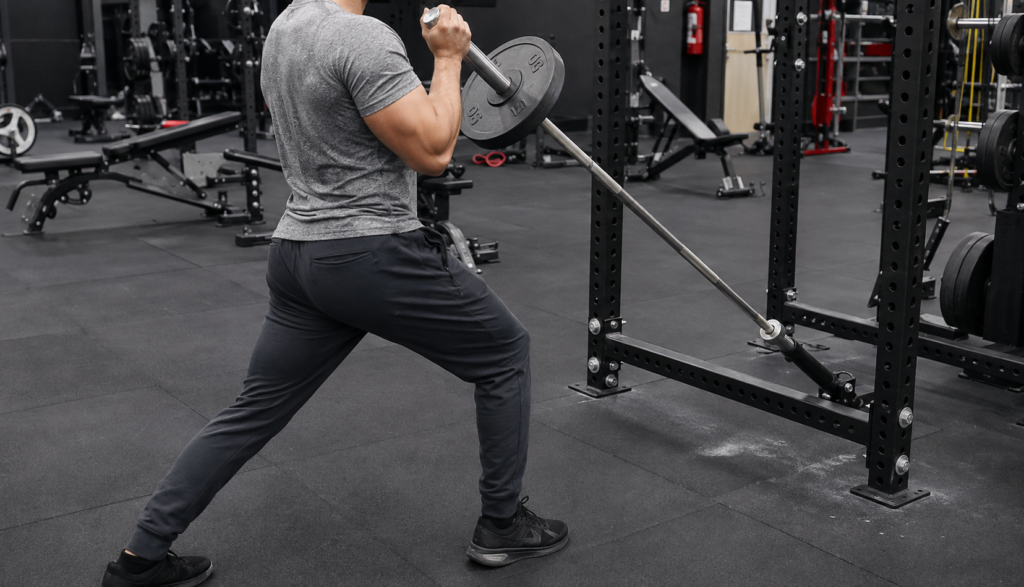
Weekly set counts for muscle growth aren’t one-size-fits-all. Here’s how to find the right volume range for your training experience and recovery capacity.