

Hard training only works if your body gets the chance to repair itself. Every session breaks down muscle tissue, drains energy stores, and taxes your nervous system. The gains show up during recovery, not during the workout itself. If you want to recover faster from workouts, no single trick does it. A few habits done well, in the right order of importance, do.
This guide covers what actually speeds up muscle recovery: sleep, protein, carbohydrates, hydration, and smart programming, plus extras like active recovery and foam rolling. It also covers what does little, so you can stop spending time and money on it.
What Happens to Your Body After a Workout
A tough strength training session creates tiny tears in your muscle fibers. Your body repairs them through muscle protein synthesis, rebuilding the fibers a little stronger than before. That repair process is what drives muscle growth.
At the same time, your muscles burn through glycogen, the stored form of carbohydrates. Your nervous system also tires, especially after heavy lifts, which is why a weight that felt easy on Monday can feel brutal on Tuesday.
Then comes delayed onset muscle soreness, or DOMS. It usually starts 12 to 24 hours after training and peaks between 24 and 72 hours. Muscle soreness tells you the workout was unfamiliar. It is not a reliable measure of workout quality or of how much recovery you still need.
How Long Does Workout Recovery Take?
Recovery time depends on the muscle group, the volume you did, and your training experience. As a rough guide, most muscles need 48 to 72 hours before another hard session. Smaller muscles such as biceps and calves often bounce back sooner, while large muscles trained with heavy lifts, like your quads and back, can need three days or more.
Beginners usually feel more soreness because the movements are new. The repeated bout effect explains why: after a few sessions your body adapts, and the same workout causes less damage. Age, sleep, and nutrition also move the timeline, which is why the rest of this guide matters.
Sleep: Your Biggest Recovery Tool
Sleep is when your body releases most of its growth hormone and does much of its muscle repair. Cut it short and everything else gets harder. Research on sleep deprivation links too little sleep to slower recovery, weaker performance, and higher perceived effort in training.
Aim for seven to nine hours a night. Keep a consistent bedtime, keep the room cool and dark, and stop caffeine at least six hours before bed. If late sessions leave you wired, train earlier or lower the intensity. Sleep quality matters as much as total hours, so protect it the way you protect your training plan.
Eat Enough Protein and Carbs
Protein for Muscle Repair
Protein supplies the amino acids your muscles use to rebuild. Most lifters do well with about 1.6 to 2.2 grams per kilogram of body weight per day, or roughly 0.7 to 1 gram per pound. Spread your daily protein across three to five meals of 20 to 40 grams each instead of saving it for dinner. You do not need to rush a shake within 30 minutes of finishing. Total protein intake matters far more than exact timing. A protein calculator turns your body weight and goal into a daily target in seconds.
Carbohydrates and Total Calories
Carbohydrates refill the glycogen your workout used up. This matters most when you train the same muscles twice in a day or hit hard sessions back to back. Include a carb source like rice, oats, potatoes, or fruit in your post-workout nutrition and in the meal before training.
Total calories matter just as much. A large deficit slows recovery because your body has less energy to spend on repair. Find your maintenance level with a TDEE calculator, then set a surplus or a modest deficit from there. If you track macros, a macro calculator helps split those calories between protein, carbs, and fat.
Stay Hydrated Before, During, and After Training
Even mild dehydration can hurt performance and make a session feel harder than it should. You lose water and electrolytes such as sodium through sweat, and both need replacing. Drink water through the day, and add a pinch of salt or an electrolyte drink after long or sweaty sessions.
Here is a simple check. Weigh yourself before and after a hard workout. For every kilogram lost, drink about 1.25 to 1.5 liters of fluid over the next few hours. Pale yellow urine is another easy sign you are on track.
Use Active Recovery on Rest Days
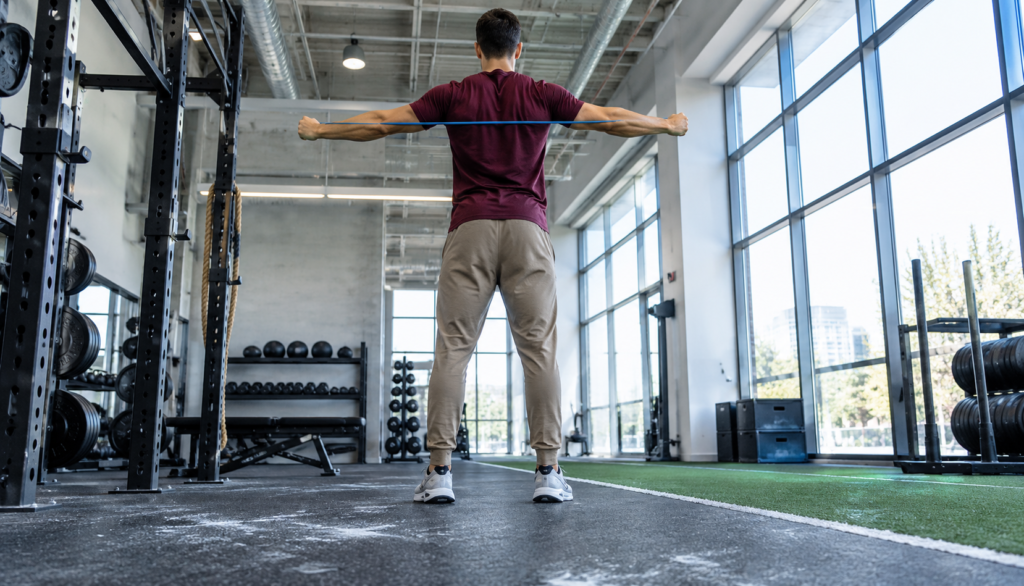
A rest day does not have to mean lying on the couch. Light movement raises blood flow, which helps deliver nutrients to tired muscles and can ease stiffness. Active recovery includes walking, easy cycling, swimming, or gentle mobility work at an effort where you can still hold a conversation.
Keep it easy. If your heart rate climbs or your legs feel heavier afterward, you went too hard. Twenty to thirty minutes is plenty. Active recovery will not repair muscle dramatically faster, but it often helps you feel better and keeps your routine consistent.
Do Foam Rolling, Massage, and Stretching Help?
These tools get plenty of hype, so here is a realistic view of each.
Foam Rolling, Massage, and Compression
Research shows foam rolling and massage can modestly reduce muscle soreness and improve range of motion in the short term. They do not speed up muscle repair itself. Spend one to two minutes on each sore area if it feels good, and do not expect miracles. Compression garments show a similarly small effect on soreness.
Stretching
Stretching after training feels pleasant, but studies show it does little to prevent or reduce soreness. Treat it as a way to maintain flexibility, not as a recovery strategy.
Should You Use Ice Baths After Lifting?
Cold water immersion reduces soreness and makes you feel fresher, which is why endurance athletes and team-sport players use it during busy competition weeks. For strength training there is a catch. Research suggests regular ice baths right after lifting may blunt muscle growth and strength gains, likely because they dampen the inflammation that helps drive adaptation.
If building muscle is your main goal, skip the ice bath after most sessions. Save it for times when you must perform again within a day, or when soreness is wrecking your sleep.
Manage Training Volume and Intensity
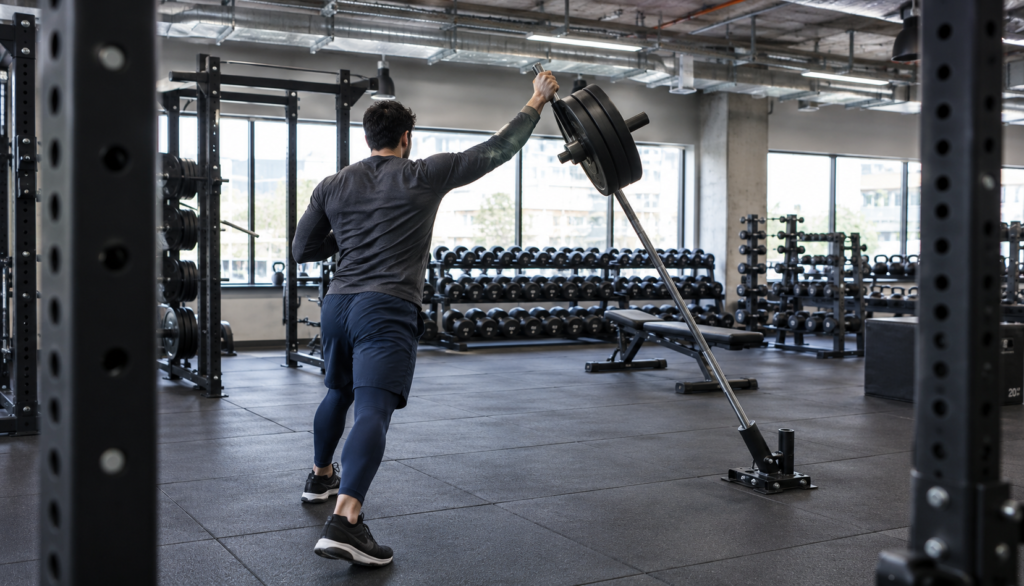
The fastest way to recover is often to avoid digging the hole so deep. Many lifters think they recover poorly when the real problem is too much training volume, too many sets taken to failure, or jumps in load that come too fast. Four adjustments help most:
- Use progressive overload gradually. Add small amounts of weight or reps instead of big jumps. A one rep max calculator helps you pick working weights as a percentage of your max, so heavy days stay controlled.
- Leave reps in reserve. Stopping one or two reps short of failure on most sets adds less fatigue than going to failure. A rate of perceived exertion (RPE) scale makes this easy to track.
- Space out hard sessions for the same muscle. A training split such as upper/lower or push/pull/legs gives each muscle about 48 to 72 hours between sessions.
- Plan a deload week. Every four to eight weeks, or sooner if performance stalls, cut volume by around half for a week. Fatigue clears while you keep practicing technique.
Control Stress and Alcohol
Life stress counts as training stress. High stress raises cortisol and cuts into sleep, which slows how fast you bounce back. Walks outside, regular meals, and time away from screens all help.
Alcohol is the other common recovery killer. Heavy drinking after training can reduce muscle protein synthesis and wreck sleep quality. If you drink, keep it moderate and eat your protein and carbs first.
How to Tell If You Are Recovering Well
You do not need fancy gadgets to track recovery. Watch a few simple recovery markers over time:
- Performance: your lifts hold steady or improve from week to week.
- Soreness: it fades within about three days instead of lingering.
- Resting heart rate: a jump of five or more beats per minute above your normal can signal you are under-recovered.
- Heart rate variability: if you wear a tracker, a steady downward trend can point to building fatigue.
- Mood and motivation: you look forward to training instead of dreading it.
If several of these slip together, take an extra rest day or lower your volume for a few sessions before pushing on.
Key Takeaways
To recover faster from workouts, get the basics right and stay consistent. Sleep seven to nine hours, eat enough protein, carbohydrates, and calories, stay hydrated, and keep training volume in check. Treat active recovery, foam rolling, and massage as extras, and be selective about ice baths. Find the biggest gap in your routine today, fix that first, and add one habit at a time.