

A deload week is a planned period of easier training. For about seven days, you cut back how hard or how much you lift so your body can recover from the weeks of training that came before it. Then you return to your normal program and push forward again.
If you have been lifting for a while, you have probably felt the need for one. Weights that moved well a month ago feel heavy, your joints ache, and the gym stops feeling fun. A deload week is built for exactly that moment. This guide explains what a deload week is, what it changes, why it works, and how it differs from simply taking time off.
What Is a Deload Week?
A deload week is a short, scheduled phase inside a training cycle where you reduce your training volume, your training intensity, or both. The goal is recovery, not progress. You still go to the gym and you still lift, but the work is lighter and easier than normal.
The name comes from taking load off the bar. The key word is planned. A deload is something you build into your program before you are worn down, not something you stumble into after you get hurt or burn out.
Most deloads last about a week, which is why people say deload week. The exact setup varies from lifter to lifter, but the purpose stays the same: let accumulated fatigue drain away while you keep practicing the lifts.
The Deload Week Definition in Simple Terms
Put simply, a deload week is a recovery week with light training. You keep the habit, but you lower the workload so your body can catch up.
The Two Things a Deload Changes
Every deload works by changing one or both of the two main training variables.
Training volume is the total amount of work you do, usually counted as working sets and reps across a session or a week. Cutting volume means doing fewer sets, so sessions get shorter and easier on your muscles.
Training intensity is how heavy the weight is compared to your one rep max, or how close each set gets to failure. Lowering intensity means using lighter weights or stopping sets well before they feel hard. Some lifters lower only one of the two, while others lower both. What matters is that the week feels clearly easier than a normal training week.
Why Lifters Need a Deload Week
Lifting creates stress, your body recovers from it, and it adapts by getting stronger. When you train hard week after week, stress can pile up faster than your body clears it.
Fatigue Builds Faster Than You Notice
Progressive overload is the backbone of getting stronger. You add reps, weight, or sets over time, which means your workload keeps climbing across a training block. That is great for progress, but fatigue keeps climbing too. Normal tiredness clears with a night of sleep. Accumulated fatigue builds quietly across many weeks.
Sports scientists describe this with the fitness-fatigue model. Every workout builds a little fitness and a little fatigue at the same time. Fitness fades slowly, but fatigue fades quickly. A deload week gives fatigue a chance to drop while your fitness stays mostly intact, so your real strength can show through again.
Joints, Tendons, and the Nervous System
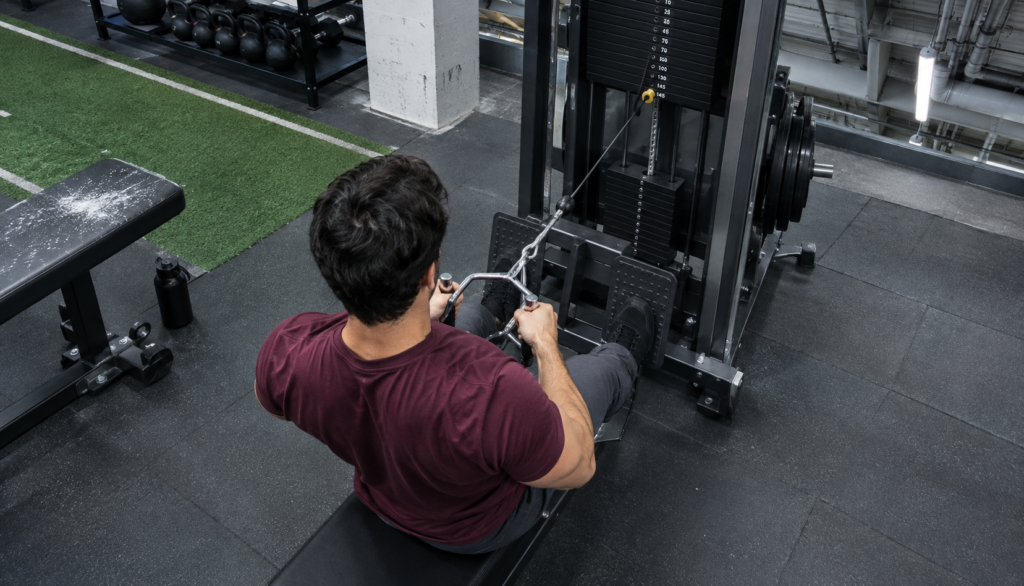
Your muscles are only one part of the picture. Tendons and other connective tissue adapt more slowly than muscle. Your central nervous system also takes a beating from heavy lifting, since it has to coordinate every rep and recruit muscle fibers at high effort.
A deload week lets your joints, tendons, and nervous system recover along with your muscles, which supports injury prevention and keeps your training sustainable over the long run.
How a Deload Week Works
A deload works because adaptation happens during recovery, not during the workout itself. When you reduce the load, fatigue falls faster than fitness. This rebound is often called supercompensation, where you come back performing at or above your previous level because your body finally had room to adapt.
Many lifters report feeling stronger and fresher after a deload, and some hit new personal records the week after. To be honest, research that directly tests deload weeks is still limited, so the idea rests mostly on well-established recovery principles and coaching experience.
There is a mental side too. A lighter week protects your motivation and helps you avoid burnout.
Deload Week vs Rest Week vs Taking Time Off
People often mix these terms up, but they are not the same thing.
Deload vs Full Rest
A full rest week means no lifting at all. A deload week keeps you in the gym with lighter work. A deload lets you keep practicing technique while still getting most of the recovery benefit.
Deload vs Taper
A taper is used by powerlifting competitors in the days before a meet. Volume drops, but the bar stays heavy so the lifter feels sharp on the platform. A deload is used in the middle of a training cycle to recover and keep progressing, while a taper is used to peak for a single event.
Is a Deload Week the Same as Overtraining?
No, and the difference matters. Overreaching is a short-term state where you have pushed hard enough that performance dips for a few days or weeks. A deload week is a good tool for clearing it.
Overtraining is a much more serious condition. It develops over a long period of too much training and too little recovery, and it can take weeks or months to resolve. A single deload week will not fix true overtraining, and it is not designed to. If you feel persistently exhausted, sleep badly, or notice changes in mood that do not improve with rest, speak with a doctor or qualified professional rather than relying on a deload alone.
Who Benefits From a Deload Week?
Not everyone needs the same amount of recovery. Beginners can often make steady progress for a long time without a formal deload, because the weights are light enough that fatigue rarely builds up. As you get stronger, each session costs more, and recovery becomes harder to keep up with.
Intermediate and advanced lifters get the most from deloading. The heavier you lift, the more stress each workout creates. This applies to powerlifters chasing a bigger squat, bench, and deadlift, and to bodybuilders chasing muscle growth through high volume. If you are curious where you stand, a strength level calculator can show how your lifts compare to typical standards and help you judge how advanced you really are.
Will a Deload Week Make You Lose Muscle or Strength?
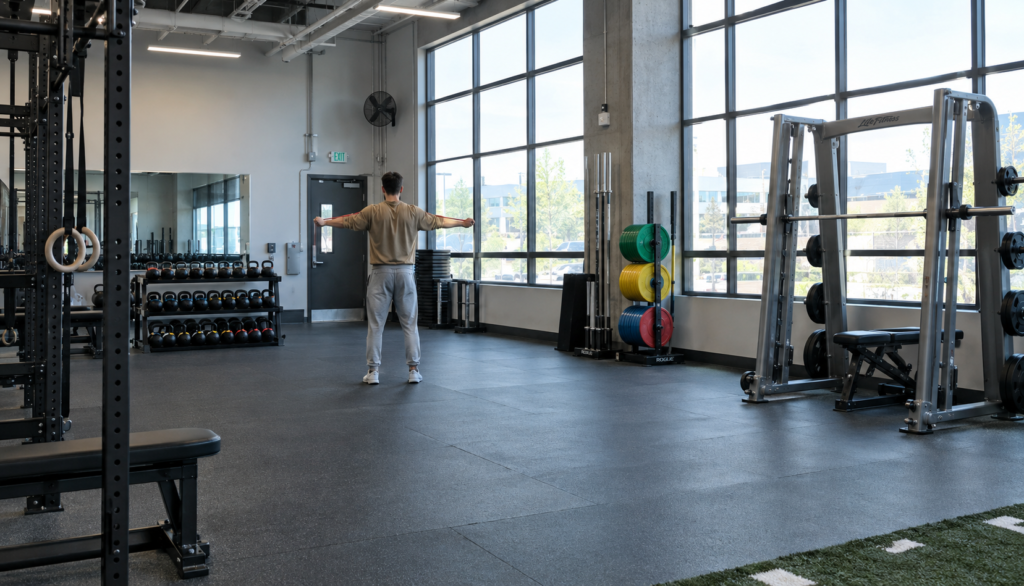
This is the most common worry, and the answer is no. A week of lighter training is far too short to cause meaningful muscle loss. Because you are still lifting, you keep the stimulus that tells your body to hold on to its muscle and strength.
If anything, a deload often does the opposite. With fatigue gone, your lifts feel smoother and faster. You can check this yourself by testing a set after your deload and plugging the numbers into a one rep max calculator. Comparing your estimated 1RM from before and after gives you a simple way to see how recovery shows up in your performance.
What Does a Deload Week Look Like?
A deload week looks like a normal training week made easier. You usually keep the same exercises, so your movement patterns stay sharp, but you do less work and stop each set well before failure. Sessions are shorter and you leave the gym feeling better than when you walked in.
Lighter weights also make it easier to focus on form and control. Sleep and nutrition matter even more during this time, because they are what turn a lighter week into real recovery. Some people add light walking or mobility work as active recovery.
The exact way to set one up, including how much to cut and when to schedule it, depends on your program, and each of those questions deserves its own detailed answer.
Common Misunderstandings About Deload Weeks
Some lifters see a deload as laziness or lost progress, but it is a deliberate decision that protects long-term progress. You also do not need an injury to deload, and the best time to do one is before problems appear. And a deload is not a vacation, since you are still lifting.
The Bottom Line
A deload week is a planned, lighter week of training that lets your muscles, joints, and nervous system recover from accumulated fatigue. You keep lifting, but you reduce volume, intensity, or both, so your body can adapt and come back ready to push harder. It is not a sign of weakness, it is not the same as overtraining, and it will not cost you your gains. For most serious lifters, it is one of the simplest ways to keep making progress without burning out.